C-MNS

A virtual network engineering team — not a ticket queue.

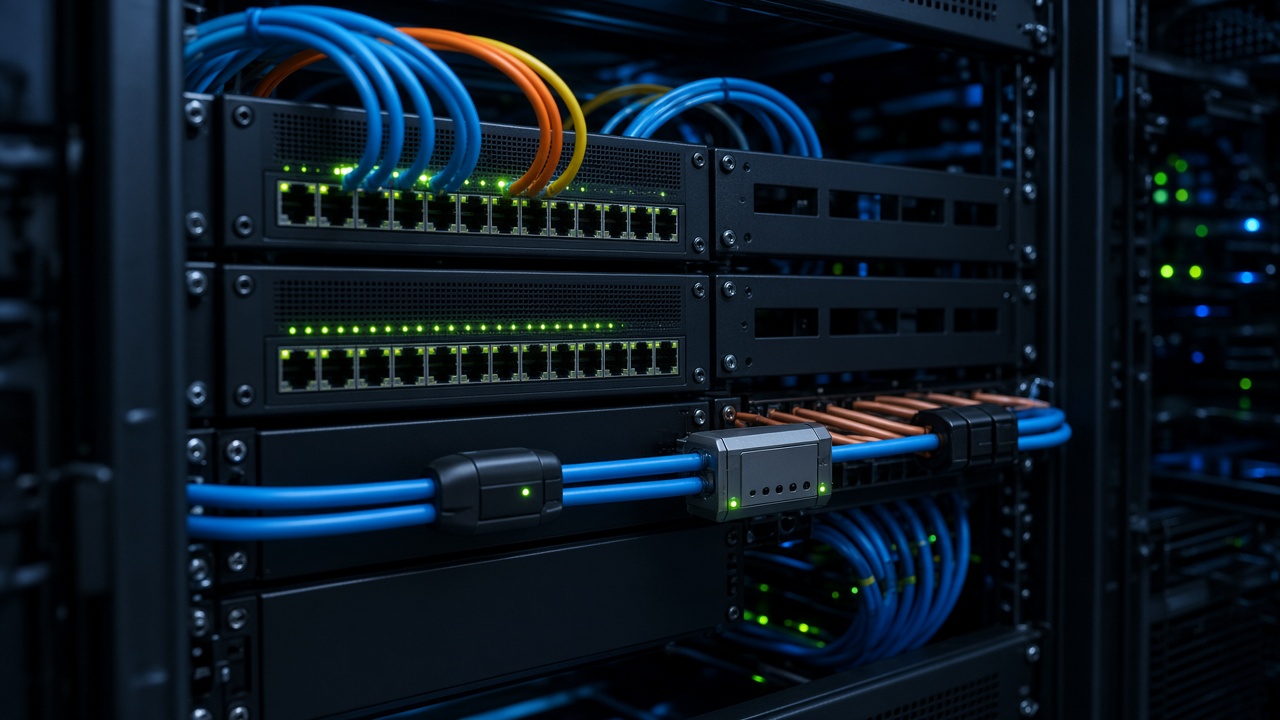
Cyleuth designs, deploys, and operates the network: firewalls, switching, wireless, VPN, segmentation, and a Cyleuth-built sensor that watches traffic on the wire. We stay after cutover — change control, monitoring, firmware, and documentation included.

Cyleuth Managed Network

Operate the fabric. Then secure what rides on it.

The problem we solve

  • Branch networks were stood up once and then left to drift — firmware, rules, and Wi-Fi all aging in place.
  • Carriers and VARs handle boxes. Nobody owns design, day-2 changes, and the runbook.
  • VPN and segmentation get rebuilt from memory at every site.
  • Monitoring, if it exists, watches servers — not the firewall, the wireless, or the wire itself.

Cyleuth’s answer: We act as your network engineering department. Design it, cut it over, operate it, document it, and keep it repeatable across sites.

What you get

  • Firewall, switch, and wireless design and day-2 operations.
  • Site-to-site and remote-access VPN, with a hub that can scale as branches come on.
  • Segmentation that matches how you work, not a flat network that trusts everything.
  • A Cyleuth-built sensor on site that watches traffic on the wire. Firewalls log allow and deny. The sensor records what actually moved — who talked to whom, when, and how — so hunters are not guessing from device logs.
  • Change control, configuration backups, and firmware under a maintenance window — not surprise reboots.
  • Continuous monitoring of the devices and sensors we operate, with a human on the other end of the ticket.
  • Written standards so the next site looks like the last one.
  • Automation and orchestration of change, backups, and monitoring to a site standard so the fleet does not depend on one engineer.

The model

One site done right. Then the same standard at the next branch.

We run this as day-2 operations: firewall, switching, wireless, a traffic sensor on the wire, site-to-site VPN back to our NOC, and ongoing change control — not a one-time install.

The stack and the runbook stay the same as the fleet grows.

How it works

How C-MNS works

Survey & design

We map circuits, addressing, Wi-Fi, and how traffic should (and should not) move. You get a design you can read, not a pile of CLI.

Build & cutover

Firewall, switch, and wireless are staged to standard, then cut over in a window. VPN, addressing, and segmentation come up as one system.

Watch the traffic on the wire

A firewall tells you what it allowed or blocked. That is not the same as seeing the traffic. We place a Cyleuth-built sensor on the network that records connections — who talked to whom, when, and over what — keeps a short local copy, and sends that picture to our NOC so hunt and detection are looking at the wire, not guessing from logs.

Day-2 operations

Rule changes, new segments, wireless updates, firmware, sensor health, and break/fix — ticketed, logged, and backed up before we touch production. Change, backup, and monitoring are orchestrated to the site standard.

Monitor & prove uptime

We watch WAN, VPN, wireless, device health, and the traffic sensor from our NOC so a silent path or a blind sensor is not your first clue.

Document & repeat

Runbooks and a site standard mean the fifth branch is not a science project. Same stack, same sensor, same posture, less drift.

Optional with MDR

The sensor is how we see the traffic. Cyleuth Managed Detection is how we hunt it. Operate the path, watch the wire, then respond. Buy one or both.

How we engage

A site, then a fleet.

Site onboarding

Project work to replace or rebuild a branch.

  • Survey, design, and bill of materials
  • Firewall, switch, and wireless cutover
  • A sensor that watches traffic on the wire
  • VPN back to the hub or cloud
  • Handoff runbook

Steady-state ops

We stay as the engineering team after go-live.

  • Ticketed changes and maintenance windows
  • Firmware, backups, and policy hygiene
  • Monitoring of the devices and traffic sensors we operate
  • A named engineer who already knows the site

Multi-site fleet

The same standard across branches.

  • Hub-and-spoke VPN
  • Repeatable site template, including the traffic sensor
  • Central monitoring and change cadence
  • Ready when the next location comes online

Onboarding

  • Discovery: circuits, addressing, wireless, and who owns change
  • Target-state design and a cutover plan, including the traffic sensor
  • Staging, window, and verify
  • Monitoring, the sensor feeding the NOC, and a ticket path live before we call it done

Get a quote

Tell us the sites, the current stack, and whether you need a rebuild, day-2 operations, or both.

Schedule a consultation